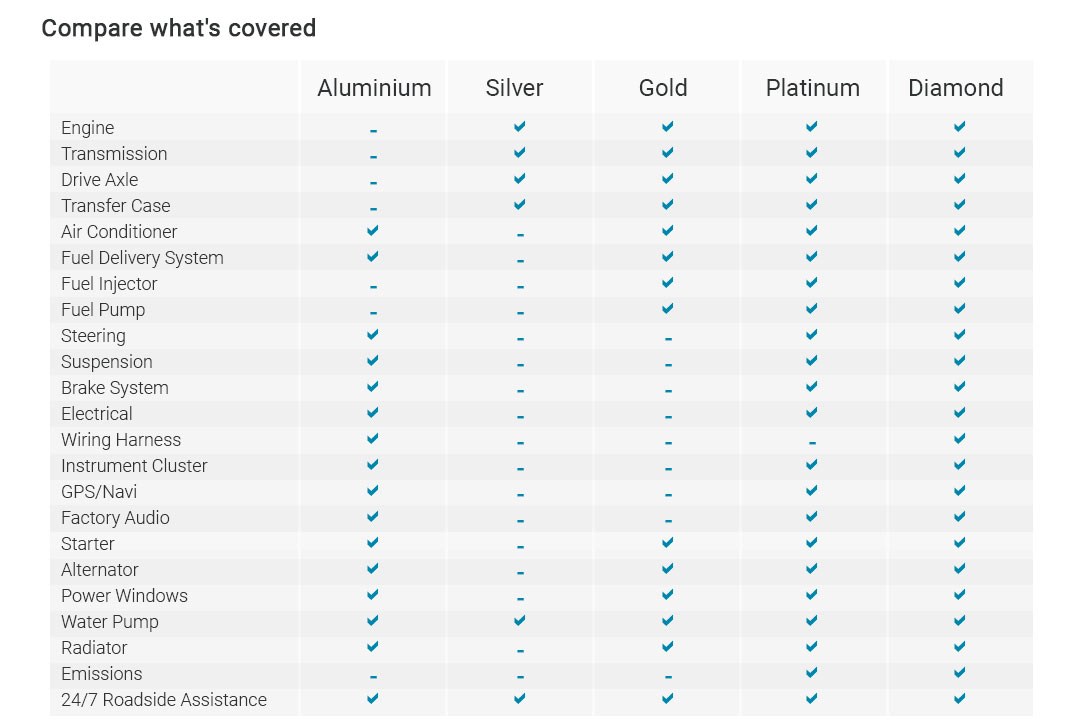
car protection plans, clarified and put to workWhat a plan actually isA car protection plan is a vehicle service contract that pays for covered repairs after the factory warranty. It is not insurance. It is not routine maintenance. Think of it as a contract promising to fund specific failures, with rules. The core variables: coverage scope, term and mileage limits, deductible, claim process, and where you're allowed to repair. What most plans cover (and exclude)- Typically covered: engine, transmission, drive axles, many electronics, HVAC components, infotainment modules (on higher tiers).
- Often included extras: rental car, roadside assistance, trip interruption.
- Usually excluded: wear items (brakes, tires, wiper blades), maintenance (oil, fluids), trim and upholstery, glass, damage from neglect or modifications, pre-existing issues.
Read the definitions. "Covered part" means little without the fine print on "consequential damage," labor caps, and diagnostic time allowances. Quick pause. Proof-minded evaluation: decide with numbers- Estimate failure risk. Use reliability data, TSB frequency, and your mileage trajectory. Older turbo engines, CVTs, air suspension, and complex infotainment systems spike risk.
- Price the pain. Call two independent shops and a dealer for quotes on your top three likely failures (e.g., transmission rebuild, AC compressor, infotainment head unit).
- Do expected value. If a $4,200 transmission has a 15% failure chance over your intended ownership, the expected cost is $630. Stack two or three risks; compare to plan price plus deductible.
- Check caps and deductibles. A $100 deductible per visit can be cheaper than per component.
- Validate shop freedom. If you trust a specific shop, confirm they can administer claims directly.
Quick math examplePlan price: $1,600; deductible: $100 per visit. Likely failures over 5 years: transmission ($4,200 at 15%), AC compressor ($1,350 at 20%), infotainment ($1,000 at 10%). Expected out-of-pocket self-pay ≈ $630 + $270 + $100 = $1,000. With plan, if two of these happen, you pay ≈ $200 in deductibles; if none occur, you're out $1,600. Your call hinges on your risk tolerance and whether the plan meaningfully reduces variance. Red flags vs. green lights- Red flags: mandatory maintenance at specific shops, reimbursement only (no direct pay), "lifetime" language without clear max payout, exclusions on diagnostics, fluid caps too low for modern vehicles, arbitration stacked against you.
- Green lights: direct payment to shop, nationwide coverage, OEM or top-tier administrator with clean complaint history, clear labor rate coverage, transparent sample contract.
How good claims actually work- Symptom → authorization. Shop diagnoses, calls the administrator, sends codes and estimate.
- Inspection (if required). Timely, factual, no fishing for denials.
- Direct payment. Administrator pays the shop, you cover the deductible and non-covered items.
- Paper trail. Keep the estimate, final invoice, claim number, and service advisor's name.
Pro tip: Ask the advisor, "Do you cap labor hours to book time? Do you reimburse fluids at market rate?" Clear answers signal a mature process. A subtle real-world momentJuly heat, 62,300 miles. AC quits on a four-hour drive. The shop confirms a failed compressor; the plan authorizes within 40 minutes, includes a rental, and pays the $1,150 parts/labor directly. Out-of-pocket: $100 deductible and refrigerant. Back on the road the next day. That's a plan doing its job. Fit-to-owner guide- Great fit: high-tech or luxury models out of warranty, long commutes, limited emergency cash, desire for cost predictability.
- Maybe skip: simple drivetrains with strong reliability, low annual mileage, robust emergency fund, DIY maintenance.
Contract checkpoints before you sign- Exclusion language: "Overheating," "pre-existing," and "lack of maintenance" definitions.
- Max liability: per claim and aggregate. Look for at least actual cash value of vehicle.
- Diagnostics: covered or not, and at what rate.
- Aftermarket parts: allowed? Are remanufactured components permitted?
- Transferability and cancellation: fees and pro-rata refunds.
Alternatives that reduce the same risk- Sinking fund: auto-transfer $75 - $150/month into a repair reserve; combine with a low-limit credit line for rare big spikes.
- Credit card protections: some extend repairs on parts purchased with the card.
- Preventive maintenance: timely fluids for transmissions and cooling systems avert the costliest failures.
How to compare in under 30 minutes- Request sample contracts from two administrators and one OEM-backed plan.
- Call your preferred shop: "Which administrators are easiest to work with?"
- Price your top three repairs locally and benchmark labor rates.
- Run the quick expected value check above. Decide, then move on.
Bottom lineUse car protection plans to smooth repair volatility, not to "beat the house." If the math, contract quality, and claims process line up, proceed. If not, self-insure and keep immaculate maintenance records. Either path can win - proof is in disciplined execution.
https://premierautoprotect.com/plans/
Compare Auto Protection Plans for Your Vehicle - Choose Your CoverageEvery car owner has a different protection needs. That is why we offer a variety of plans.

|
|